Canada has long been recognized as a global leader in providing refuge to those fleeing persecution and violence. However, recent legislative shifts mark a significant turning point in the country’s approach to Canadian asylum and refugee protection. With the passage of new measures under the Strengthening Canada’s Immigration System and Borders Act (Bill C-12), the rules for seeking asylum have become noticeably more stringent.
If you or a loved one are considering making an asylum claim in Canada, it is vital to understand these three major changes that are now in effect.
1. The Strict One-Year Filing Deadline
In the past, there was no hard deadline for when a person physically present in Canada had to file an asylum claim. That has changed. Under the new law, any individual who has been in Canada for more than one year since their first entry is now ineligible to have their claim referred to the Immigration and Refugee Board (
IRB).
This “one-year bar” is designed to prevent individuals from using the asylum system as a last-resort “shortcut” after other immigration avenues have failed. For many, this means the window to seek protection is much shorter than previously anticipated.
2. The 14-Day Rule for Irregular Crossings
Following the expansion of the
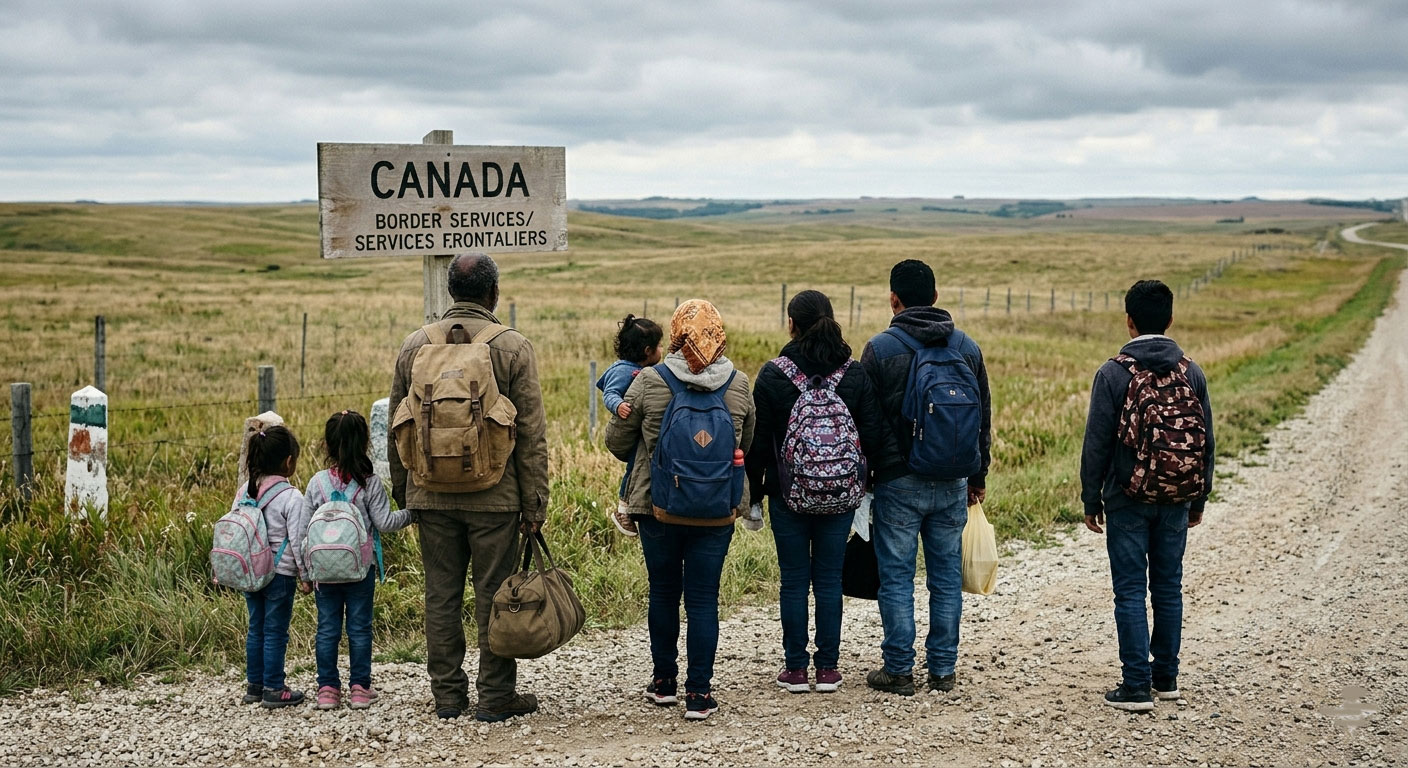
Safe Third Country Agreement (STCA), which now covers the entire 8,900-kilometre land border, Canada has added another layer of restriction. For those who enter Canada between official ports of entry (irregular crossings), a claim must be made within
14 days of arrival.
Failure to meet this two-week window means your claim will not be referred to the IRB. This rule is intended to deter irregular migration and ensure that those truly in need of protection identify themselves to authorities immediately.
3. A “Schedule-Ready” Modernized Process
The government is also streamlining how claims are handled. The IRB will now only accept “complete and schedule-ready” claims. This means the era of submitting a partial application and “filling in the blanks” later is over. If an application is incomplete, it can be dismissed or delayed, further complicating an already stressful process.
What Happens if You Are Ineligible for Canadian Asylum?
If a claimant is barred from the IRB due to these new rules, they may still have access to a
Pre-Removal Risk Assessment (PRRA). While this offers a degree of protection against being sent back to a dangerous situation, it is a much more limited process than a full IRB hearing and does not grant the same immediate path to permanent residency.
Why Legal Guidance is More Critical Than Ever
The Canadian asylum system is currently facing historic volumes, with over 140,000 claims in the last year alone. These new “gatekeeping” measures are the government’s response to that pressure.
Because the window to act is now smaller and the requirements for a “complete” filing are higher, navigating the system without professional help is incredibly risky. At
Jeffrey Goldman Law, we have over 20 years of experience helping clients through the complexities of refugee and immigration law. We understand the nuances of these new legislative changes and are here to ensure your case is built on a strong, organized, and timely foundation.
Do not wait until your window of opportunity closes. If you are seeking protection in Canada, contact our Toronto office today to discuss your options. Naturally, we can help with Canadian asylum
immigration law and
Visa applications.